
Brick Veneer Installation remains a popular exterior upgrade for many homes in Richmond, VA. Brick veneer creates the appearance of a traditional brick wall while reducing structural weight and installation costs.
In Richmond neighborhoods such as The Fan District, Church Hill, and Short Pump, brick veneer installation often improves a home’s exterior while protecting the wall surface. Brick veneer also works for interior walls, including accent areas such as fireplaces and entryways.
However, brick veneer installation cost depends on several factors, including brick type, labor costs, wall size, and installation method. Understanding brick veneer pricing helps homeowners estimate project budgets before starting a masonry project.
How Much Does Brick Veneer Installation Cost Per Square Foot?
Brick Veneer Installation typically costs between $8 and $18 per square foot installed. The national average for brick veneer siding falls around $12 to $14 per square foot, although local labor rates in Richmond may affect the final price.
Several factors influence brick veneer cost per square foot, including materials, wall preparation, and labor requirements.
Typical price ranges include:
|
Project Type |
Estimated Cost |
|---|---|
|
Small accent brick wall |
$3,000 – $6,000 |
|
Medium exterior wall |
$6,000 – $12,000 |
|
Full house brick veneer siding |
$15,000 – $35,000 |
For example, a new brick wall covering 1,000 square feet may cost between $12,000 and $18,000, depending on brick type and installation method.
Brick Veneer Installation Cost Per Brick
Brick Veneer Installation cost often starts with the price per brick.
Average brick pricing includes:
|
Brick Type |
Average Price Per Brick |
|---|---|
|
Standard red brick |
$0.50 – $1.50 |
|
Face brick veneer |
$1.50 – $3.00 |
|
Premium architectural brick |
$3.00 – $6.00 |
Face brick veneer offers consistent color and shape, which helps maintain a uniform appearance across a brick wall. Thin brick veneer may cost slightly less because thin brick materials require less clay during manufacturing.
Industry experts from the Brick Industry Association note that clay brick remains one of the most durable building materials used in exterior wall systems.
Cost Per 1,000 Bricks in Masonry Projects
Contractors often estimate brick veneer installation using cost per thousand bricks.
Typical cost breakdown:
|
Cost Category |
Estimated Price |
|---|---|
|
Brick materials |
$500 – $1,500 |
|
Mortar and supplies |
$150 – $300 |
|
Labor costs |
$150 – $700 |
Total cost per 1,000 bricks typically ranges between $800 and $2,500, depending on brick type and local labor rates.
Most brick veneer walls require about 6 to 7 bricks per square foot, which helps contractors determine material quantities for estimating costs.
Major Cost Factors in Brick Veneer Installation
Brick veneer installation cost depends on several factors beyond brick price alone.
1. Brick Type and Materials
Material selection significantly affects installation costs.
Common options include:
- Standard red brick
- Face brick veneer
- Thin brick veneer
- Real brick masonry units
Thin brick veneer works well for interior brick wall projects because the material remains lightweight. However, a thicker brick provides stronger durability for exterior walls.
Other materials may also affect cost. Some homes combine brick veneer siding with fiber cement or stone accents to enhance the home’s exterior.
2. Labor Costs and Local Labor Rates
Labor costs represent a major portion of brick installation costs.
Masonry installation requires experienced contractors to properly lay bricks and apply mortar joints. Skilled masons also shape joints using tools such as a concave jointer, which helps seal mortar lines and protect the wall surface.
Local labor rates in Richmond may vary depending on project size and construction demand.
3. Wall Size and Surface Area
Wall size strongly affects the total cost of brick veneer installation.
For example:
|
Wall Area |
Estimated Brick Quantity |
|---|---|
|
100 square feet |
650 bricks |
|
500 square feet |
3,250 bricks |
|
1,000 square feet |
6,500 bricks |
Larger projects require more bricks, mortar, and labor time.
Because of that, a full exterior wall project typically costs more than a small decorative brick wall.
4. Wall Preparation and Demolition Work
Preparation work also affects installation costs.
Many homes in Richmond include older siding materials such as wood or fiber cement. Contractors often remove existing siding before brick veneer installation begins.
Preparation work may include:
- Removing damaged brick wall sections
- Surface cleaning and leveling
- Installing metal lath for thin brick veneer
- Installing moisture barriers
Demolition work and site preparation increase the overall cost of the project.
5. Structural Support and Local Building Codes
Brick veneer installation requires structural support behind the brick layer.
Typical wall components include:
- Water-resistant barrier
- Brick ties
- Air gap drainage space
- Structural wall framing
Local building codes in Richmond ensure brick veneer walls remain secure and properly anchored to the building structure.
The National Association of Home Builders recommends moisture barriers and proper drainage cavities for brick veneer systems.
Thin Brick Veneer vs Traditional Brick Veneer
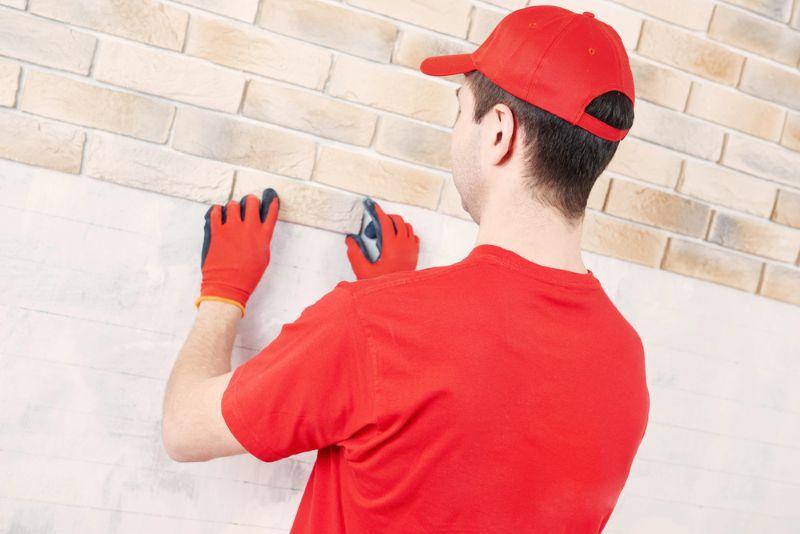
Thin brick veneer has become popular in renovation projects.
Thin brick installation involves cutting bricks into thinner sections. The thinner material allows installation over existing surfaces such as concrete or drywall.
Advantages of thin brick veneer include:
- Lower material costs
- Easier installation
- Suitable for interior walls
However, traditional brick veneer remains more durable for exterior wall construction.
Installation Process for Brick Veneer
Brick veneer installation follows several steps.
The typical masonry process includes:
- Wall preparation and moisture barrier installation
- Installing metal lath or support ties
- Mortar preparation and brick layout
- Brick placement and alignment
- Joint finishing using masonry tools
Proper installation ensures strong structural support and long-lasting durability.
Brick Veneer Installation and Home Value
Brick veneer installation often increases home value and curb appeal.
Benefits include:
- Improved durability of the home’s exterior
- Higher resistance to weather damage
- Lower long-term maintenance
Real estate professionals often note that brick veneer siding improves the aesthetic appeal of a house compared with wood siding or other materials.
Because brick remains durable and long-lasting, brick veneer serves as a good alternative to full masonry construction.
Common Mistakes That Increase Brick Veneer Installation Cost
Several issues can increase the overall cost of brick veneer projects.
Common problems include:
- Incorrect mortar application
- Poor brick alignment
- Missing drainage gaps
- Improper brick cutting
Professional masonry contractors help prevent those problems through proper planning and installation methods.
Planning a Brick Veneer Installation Project in Richmond, VA
Brick Veneer Installation provides Richmond homeowners with a durable exterior upgrade that improves curb appeal and long-term property value. Brick veneer siding offers the visual appeal of real brick while reducing structural weight and installation complexity.
However, total cost depends on brick type, wall size, labor costs, and site preparation requirements. Proper planning and professional installation help ensure the brick wall remains durable and structurally secure.
Homeowners planning a brick veneer project in Richmond can consult Richmond Brick Mason for expert masonry services, detailed cost estimates, and reliable brick veneer installation for the next project.