
Brick repointing plays a major role in protecting any masonry structure in Richmond. Over time, existing mortar begins crumbling, which leads to moisture buildup and cracking. While quick brick repair jobs may look fine at first, weak workmanship often causes costly repairs later.
According to the National Park Service, deteriorated mortar joints allow water to penetrate masonry walls, which can lead to structural damage if not properly addressed through correct repointing methods.
A step-by-step process ensures proper bonding, better durability, and long-term protection for brickwork, whether for a house, wall, or foundation.
What Makes Brick Repointing Last Longer?
Brick repointing lasts longer when old mortar is removed correctly, the right mortar is used, and curing is controlled for durable results.
Many repairs fail because the wrong mortar type gets applied over damaged mortar. As a result, joints weaken, and moisture can be trapped inside the structure. Skilled masonry work focuses on matching materials, depth, and curing conditions.
Step 1: Remove Mortar Deep Enough for Proper Bonding
Brick repointing starts with removing old mortar to the right depth to ensure strong bonding with new mortar.
The process begins by removing damaged mortar from horizontal and vertical joints. Using the right tools, such as a hammer, chisel, or controlled power tools, ensures clean edges without damaging bricks.
Key actions in this step:
- Remove mortar until sound mortar is reached
- Clear debris, dust, and dirt from joints
- Maintain consistent depth across the wall
- Avoid damaging the surrounding brickwork
Shallow removal creates weak layers. As a result, fresh mortar fails to bond, leading to early cracking and spalling.
In older homes, especially across Richmond neighborhoods, lime-based mortar may be present. Using excessive force or the wrong tools can damage the structure and even require replacing damaged bricks.
Step 2: Match the Right Mortar to Avoid Structural Movement
Brick repointing performs best when new mortar matches the strength, flexibility, and texture of existing materials.
Choosing the right mortar is critical. A wrong mix, such as hard mortar over softer bricks, can trap moisture and cause cracking. That is why professionals test materials before applying pointing mortar.
According to the International Masonry Institute, mortar should be selected based on compatibility with existing masonry, since overly strong mortar can restrict movement and contribute to cracking and long-term damage.
Important considerations:
- Use lime-based mortar for older structures
- Avoid cement-based mortar when flexibility is needed
- Match color, sand texture, and layers
- Create test panels to confirm the match
Using the wrong mortar type leads to structural movement and moisture buildup. Over time, that can weaken the foundation and damage brickwork.
Proper matching also maintains the history and appearance of the house. Clean, flush joints improve both durability and visual consistency.
Step 3: Control Curing to Prevent Rapid Drying
Brick repointing lasts longer when curing is controlled to prevent rapid drying and ensure proper strength.
After filling joints with fresh mortar, curing becomes essential. Exposure to direct sunlight, strong wind, or extreme temperatures can cause rapid drying.
To manage curing:
- Lightly mist the surface to retain moisture
- Protect joints with plastic coverings when needed
- Avoid working during freezing temperatures
- Monitor weather conditions throughout the job
Proper curing allows mortar to harden gradually. That process improves bonding and reduces voids inside the joints.
Without curing, mortar becomes brittle. As a result, cracks form quickly, especially in outdoor masonry exposed to harsh weather.
Why Handyman Repairs Often Fail
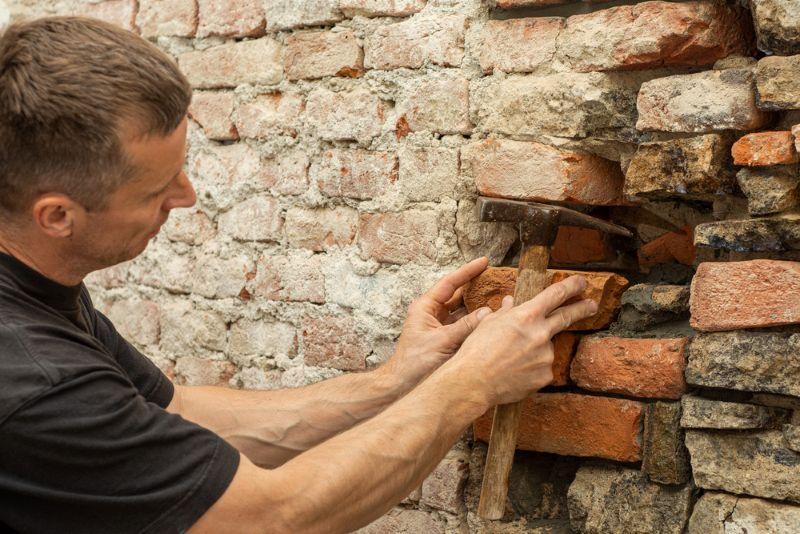
Brick repointing done without proper steps often fails due to shallow depth, wrong materials, and poor curing practices.
Many quick repairs skip essential steps. Instead of removing damaged mortar fully, some only patch the surface. That approach creates weak layers and poor bonding.
Common issues include:
- Using cement-based mortar on older brickwork
- Skipping cleaning, leaving dust and debris
- Ignoring curing conditions
- Applying mortar during poor weather
Over time, those shortcuts lead to moisture buildup, crumbling joints, and even the need to replace damaged bricks.
Hidden Risks of Poor Brick Repointing
Brick repointing done incorrectly can trap moisture inside walls, leading to structural damage and expensive repairs.
Moisture is the biggest threat to masonry. When joints fail, water seeps into the structure and affects both bricks and mortar.
Risks include:
- Cracking from freezing temperatures
- Spalling on brick surfaces
- Weakening of structural integrity
- Growth of voids behind the surface
Once moisture enters the wall, damage spreads quickly. That is why proper repointing is essential for long-term protection.
Real-World Results From a Proper Process
Brick repointing using a step-by-step process can deliver durable results that last for decades.
Professional masonry repair focuses on every detail, from depth and materials to curing and finishing. Clean joints, proper filling, and smooth surface finishing all contribute to long-term durability.
Benefits include:
- Stronger wall structure
- Reduced risk of cracking
- Better resistance to moisture
- Longer lifespan for bricks and mortar
That difference becomes clear when comparing long-term performance. Proper craftsmanship prevents repeated repair cycles.
Get Brick Repointing in Richmond That Lasts Longer
Short-term masonry repair often leads to repeat cracking, moisture buildup, and costly repairs. A proper step-by-step brick repointing process ensures strong bonding, correct mortar matching, and controlled curing for durable results.
For dependable brick repointing in Richmond, Richmond Brick Mason delivers skilled craftsmanship using the right tools, materials, and proven methods. Reach out today to protect brickwork, restore structural integrity, and extend the life of every wall and foundation.